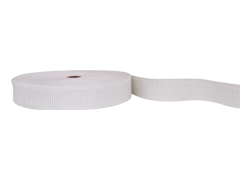
Non-Combustible Fibreglass Tape: Pipe Lagging & Flange Sealing Solutions

South Eastern Gaskets supplies Non-combustible Fibreglass Tape for pipe lagging and flange sealing across high-temperature Australian industries.

Effective heat management and fire safety are critical across Australian industrial environments, where high-temperature equipment poses ongoing operational risks. Without proper insulation and sealing, businesses can experience energy loss, equipment damage, and increased fire hazards. South Eastern Gaskets supplies non-combustible fibreglass tape designed for reliable pipe lagging and flange sealing in demanding applications.

Why Non-Combustible Fibreglass Tape Is Essential for Industrial Safety

Industrial facilities must meet strict safety standards, especially where heat and pressure are present. Non-combustible fibreglass tape resists ignition and does not support flame spread, making it suitable for boiler rooms, exhaust systems, and process piping. It also maintains strength and flexibility under high temperatures, ensuring long-term reliability in demanding environments.

Key advantages include:

  • High temperature resistance suitable for steam lines and hot process pipes
  • Non-combustible properties that support safer work environments
  • Durable woven construction for extended service life
  • Flexibility for wrapping around valves, bends, and irregular surfaces
  • Resistance to moisture and many industrial operating conditions

By reducing the risk of fire propagation and protecting adjacent equipment from heat exposure, fibreglass tape plays a practical role in maintaining compliance and protecting personnel. For Australian industries, selecting the right insulation material is a critical safety decision.

Pipe Lagging: Improving Energy Efficiency & Equipment Protection

Pipe lagging is a key application for fibreglass tape in steam and hot water systems. Without proper insulation, pipes lose heat, increasing energy costs and placing extra strain on equipment. Using fibreglass tape helps retain heat, improve efficiency, and support consistent performance across industrial and commercial operations.

In addition to energy savings, effective lagging protects equipment and workers. Lower external surface temperatures reduce the risk of accidental burns, while proper insulation can help manage condensation in certain systems. By minimising thermal stress and exposure, fibreglass tape supports longer equipment life and improved overall system performance.

Flange Sealing Solutions for High-Temperature Environments

Flanges are vital connection points in piping systems and are often exposed to high heat and pressure. Proper insulation helps maintain sealing integrity and protect nearby components. Fibreglass ladder-style tape allows bolt access while providing consistent thermal coverage, helping reduce heat loss in high-temperature systems.

When used alongside appropriate gasket materials, fibreglass tape enhances the overall sealing system. It helps shield gasketed joints from excessive heat exposure and supports consistent performance in demanding industrial conditions. For facilities seeking dependable sealing solutions, fibreglass tape provides both practicality and durability.

Finding the Right Fibreglass Tape for High-Temperature Use

Selecting the right fibreglass tape depends on operating temperature, pipe size, and installation requirements, with width, thickness, and weave tailored to the application. Plain tapes are ideal for general lagging, while ladder-style options suit flanges that require bolt access and secure fastening. By working with an experienced Australian supplier like South Eastern Gaskets, you can ensure improved safety, efficiency, and long-term performance.

South Eastern Gaskets: Reliable Non-Combustible Fibreglass Tape Solutions

South Eastern Gaskets is a reliable Australian supplier of non-combustible fibreglass tape for pipe lagging and flange sealing applications. Our products are engineered to perform in high-temperature environments while supporting workplace safety and energy efficiency. We work closely with businesses to ensure they receive the right solution for their specific operational requirements.

Contact us to discuss your needs and place your order with confidence.

Related Blog Articles:

Buy Fibreglass Tapes from South Eastern Gaskets: The Smart Solution for Efficient Pipe Lagging
Expanded PTFE (Sealon) Tape: Superior Performance in High-Temperature Environments
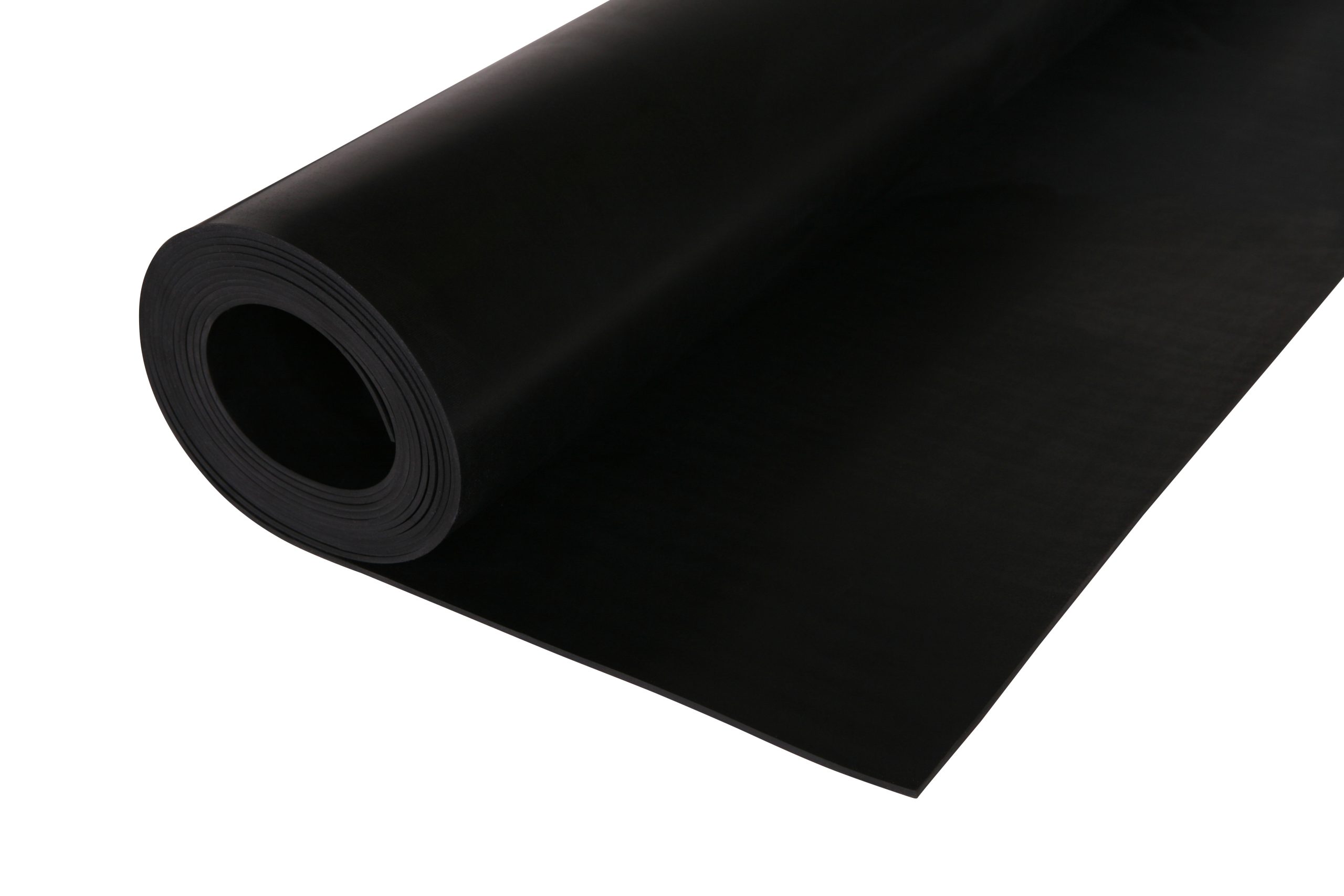
FDA-Compliant Gaskets: EPDM vs Nitrile (NBR) for Food Processing

South Eastern Gaskets explains FDA-compliant gaskets for food processing, comparing EPDM vs nitrile (NBR) to help you choose the right material.

In Australian food processing, seals are critical to hygiene, leak prevention, and product integrity, and while many sites specify FDA-compliant gaskets as a material benchmark, plants still need to meet the Australia New Zealand Food Standards Code requirements for cleanable, non-contaminating food-contact surfaces. Gasket selection should match real operating conditions such as heat, steam, cleaning chemicals, oils, fats, and repeated compression. EPDM and nitrile (NBR) are two common food-grade elastomers, and choosing the right one can reduce downtime, extend seal life, and support audit-ready hygiene outcomes.

For a broader overview of compliance and material suitability, see our guide to food-grade gaskets and complying with food safety standards.

FDA-Compliant Gaskets in Practice: EPDM vs Nitrile (NBR) Basics

In day-to-day food plant procurement, “FDA compliant” is often used to indicate a rubber compound formulated and tested to meet a widely accepted food-contact benchmark. It is not a substitute for fit-for-purpose selection. You still need to match the gasket to your media, temperature, cleaning regime, and mechanical design.

Here is a practical comparison to guide selection:

FactorEPDM (Food Grade)Nitrile / NBR (Food Grade)
Best withHot water, steam, and many water-based cleaning environmentsOils, animal fats, vegetable oils, and greasy products come into contact
Typical food-plant useBeverage, dairy, CIP loops, washdown zonesMeat processing, oil handling, fatty food lines
Key strengthHeat and water resistance, good performance in washdown conditionsStrong resistance to oils and fats, good for greasy service
Common limitationNot ideal where oils and greases are dominantOften less suitable for frequent steam or very hot water exposure
What to verifyCIP chemical concentration and temperature, compression setSteam exposure, temperature peaks, and chemical compatibility

Where EPDM Wins in Food Plants (Best-Fit Applications)

EPDM is a strong choice for gaskets exposed to hot water, steam, and frequent washdowns. When correctly specified, it holds its seal through thermal cycling and repeated cleaning.

EPDM is commonly a strong fit for:

  • CIP circuits and washdown areas where hot water is frequent
  • Beverage and dairy processing zones with water-based media
  • Applications with regular steam or elevated temperatures (compound dependent)
  • External or open plant areas where weathering and ozone resistance matter

Where Nitrile (NBR) Wins (And Where It Can Struggle)

Nitrile, also known as NBR, is a common choice when oils and fats are part of normal operation. In food processing, this can include edible oils, oily residues, fatty product lines, and environments where grease exposure is hard to avoid. Where EPDM may swell or soften in oily service, nitrile compounds are typically selected to maintain dimensional stability and sealing performance.

NBR is often well-suited to:

  • Meat, poultry, and seafood processing, where animal fats are present
  • Edible oil transfer, storage, and handling lines
  • Areas with oily product contact or persistent grease residues
  • Equipment interfaces where lubricants or oil mist may contact seals

Where NBR can struggle:

  • Frequent steam exposure or repeated high-temperature hot water cycles
  • Aggressive cleaning programs at elevated temperatures
  • Processes with rapid thermal cycling that increase compression set risk

Choose South Eastern Gaskets for FDA-Compliant Gaskets

At South Eastern Gaskets, we help Australian food processors specify FDA-compliant gaskets that match real plant conditions, not just a line item on a purchase order. The right material selection reduces unplanned shutdowns, improves hygiene outcomes, and supports confident maintenance planning.

Contact us to request a quote or speak with our team about your application.

Related Blog Articles:

Australian Food-Grade Gaskets Complying with Food Safety Standards [2026 Guide]
Sealing Rubber Gaskets: Choose the Right Seal for Water, Oil, or Chemical Resistance

High-Temperature Graphite Gaskets for Industrial Flanges: Spec, Grades and Selection Guide

High-temperature graphite gaskets for industrial flange applications. Learn how to choose the right solution with expert support from South Eastern Gaskets.

Industrial flange joints operating under high heat do not forgive poor gasket choices. Steam lines, hot process media, and thermal cycling quickly expose material weaknesses, which is why high-temperature graphite gaskets are widely used across Australian industries. Selecting the right gasket is not about chasing a single maximum temperature figure but about understanding how material, flange design, pressure, and installation work together.

This guide breaks down what engineers and maintenance teams need to know when selecting graphite gaskets for demanding applications.

Specs That Matter in Australia: Flange Standards, Facing, and Dimensions

In Australian plants, gasket selection is closely tied to local flange standards. The most common are AS 2129 (table flanges such as Table D, E, and H) and AS 4087 (PN-rated flanges widely used in water and infrastructure projects). Each standard has its own dimensions, bolt patterns, and sealing expectations.

Matching Gasket Type to Flange Face

  • Full-face gaskets are often used on AS 2129 table flanges, particularly in lower-pressure or water services.
  • Ring-type gaskets (inside the bolt circle) are common in higher-pressure industrial duties.
  • Spiral wound gaskets typically suit raised-face or flat-face flanges where higher bolt loads and tighter control are available.

Graphite Gasket Grades and Constructions

Graphite is available in several constructions, each suited to different operating conditions:

  • Flexible Graphite Sheet Gaskets – These are cut from pure graphite sheet and used in a wide range of industrial flange applications. They are ideal for stable operating conditions where flange alignment and bolt loads are well controlled.
  • Reinforced Graphite (Laminate or Tanged Insert) – Reinforced graphite sheets include a stainless steel insert to improve strength, handling, and blowout resistance. This construction is preferred for larger diameter flanges, higher pressures, or applications where installation conditions are less forgiving.
  • Spiral Wound Gaskets with Graphite Filler – For severe service, spiral wound gaskets combine metal windings with graphite filler. This design offers excellent recovery and resistance to pressure and temperature cycling, making it a common choice in critical process industries.

Selection Checklist: How to Choose the Right Gasket

Before finalising a gasket, ask these key questions:

  • What flange standard and size is involved? Confirm AS 2129 or AS 4087 and the exact table or PN rating.
  • What are the operating temperature and pressure? Use pressure–temperature relationships rather than relying on a single maximum rating.
  • What is the media and atmosphere? While graphite is broadly chemically resistant, highly oxidising environments may limit its suitability at elevated temperatures.
  • What bolt load and installation method will be used? Correct compression is essential for sealing and gasket longevity.
  • Is the service stable or cyclic? Cycling conditions may justify reinforced graphite or spiral wound designs.

High-Temperature Graphite Gaskets Designed for Demanding Applications

Choosing the right graphite gasket is about more than material and requires experience, standards knowledge, and a clear understanding of real operating conditions. At South Eastern Gaskets, we work closely with Australian industries to supply reliable gasket solutions for high-temperature and demanding flange applications.

Contact us and let us help you keep your operations running safely and efficiently.

Related Blog Articles:

The Advantages of Ordering Industrial Gaskets Direct from a Local Australian Manufacturer
Fire-Safe Sealing: API 607 vs ISO 10497: What Engineers Need to Know

Corr-A-Seal Gaskets for Steam, Water, and Low-Temperature Applications

Corr-A-Seal gaskets from South Eastern Gaskets deliver reliable sealing for steam, water, and low-temperature industrial applications across Australia.

In industrial operations, effective sealing is essential for maintaining safety, efficiency, and system integrity. Across Australian sectors such as power generation, oil and gas, chemical processing, and manufacturing, Corr-a-seal gaskets are recognised as a dependable solution for demanding service conditions. Designed for high pressure, elevated temperatures, and fluctuating operating environments, these gaskets provide reliable sealing performance where traditional soft gaskets may be insufficient.

Performance in Steam Applications

Steam systems are among the most demanding industrial environments, characterised by high temperatures, elevated pressures, and frequent thermal cycling. These conditions place significant stress on flange joints and sealing materials, increasing the risk of leakage if unsuitable gaskets are used.

Corr-a-seal gaskets are commonly selected for high-temperature fluid services such as steam lines due to their corrugated stainless steel core, which delivers resilience and controlled compressibility. When combined with graphite or PTFE sealing facings, this construction allows the gasket to conform to flange surface irregularities while maintaining sealing load during start-up, shutdown, and continuous operation. This performance makes them well-suited to steam-related applications found in Australian industrial facilities.

Reliability in Water and Process Piping Systems

Water and process piping systems require consistent, leak-free sealing to protect equipment, minimise corrosion, and reduce downtime. Corr-a-seal gaskets provide dependable performance in industrial water services and compatible process fluids where pressure stability and long-term durability are critical.

The metal core offers structural strength, while the soft sealing layers enhance conformity to flange faces, supporting reliable sealing even where surface conditions are less than ideal. This balanced design helps maintain joint integrity under pressure fluctuations commonly experienced in water treatment plants, utility systems, and industrial process lines throughout Australia.

Suitability for Low-Temperature and Thermal Cycling Environments

In applications involving temperature variation, gasket materials must retain stability and sealing force despite the expansion and contraction of system components. Corr-a-seal gaskets are well-suited to environments where thermal cycling is present, as the corrugated core provides a spring-like effect that helps maintain consistent gasket stress.

While not promoted as cryogenic-specific products, these gaskets can perform effectively in low-temperature or mixed-temperature systems where repeated thermal changes may cause conventional soft gaskets to relax or degrade. This makes them a practical choice for applications such as chilled water systems and process lines exposed to varying operating temperatures.

Why Australian Industries Choose Corr-A-Seal Gaskets

Australian industries prioritise sealing solutions that deliver reliability, compliance, and long-term value. Corr-a-seal gaskets are widely specified for critical applications due to their proven performance and suitability for demanding service conditions. Supplied by South Eastern Gaskets, these products meet the expectations of industries operating under strict safety and operational standards.

Key benefits include:

  • Proven performance in high-pressure and high-temperature applications
  • Reliable sealing under thermal cycling and fluctuating conditions
  • Compatibility with steam, water, and a wide range of industrial fluids
  • Fire-safe certification to API 607 and ISO 10497 for critical installations
  • Availability of custom sizes and configurations to suit specific requirements

Supporting Australian Industry with Certified Sealing Solutions

South Eastern Gaskets is a trusted Australian supplier of Corr-a-seal gaskets, providing certified, high-performance sealing solutions for demanding industrial applications. With strong technical expertise and a commitment to quality, the company supports customers across power generation, petrochemical, water treatment, and manufacturing sectors. We offer expert product selection, technical guidance, and custom gasket solutions for steam, water, and temperature-sensitive systems.

Contact us for all your sealing requirements and discover how our expertise and reliable products can support safer and more efficient operations.

Related Blog Articles:

Corr-a-seal Gaskets for Sale: Certified Fire Safe Solutions for Critical Industrial Applications
Fire-Safe Sealing: API 607 vs ISO 10497: What Engineers Need to Know

Metal Gasket Types: What Engineers, Fitters & Buyers Must Know

South Eastern Gaskets manufactures precision metal gaskets in Australia, supplying mild steel, stainless steel, copper, brass and aluminium solutions.

In demanding Australian industrial environments, sealing solutions must perform reliably under sustained pressure. Across mining, manufacturing, food processing, marine and energy sectors, metal gaskets are essential for maintaining safety, efficiency and equipment longevity. Understanding the properties of different metal gasket materials enables engineers and procurement teams to make informed decisions that minimise downtime and extend service life.

Understanding Metal Gaskets in Australian Industrial Applications

Metal gaskets are designed to create a tight, durable seal between two mating surfaces, such as flanges, housings or pressure vessels. Unlike soft materials, they maintain integrity under high temperatures, elevated pressures, and mechanical stress commonly found in Australian industrial operations. They are widely used in steam systems, pipelines, pumps, compressors, heat exchangers, and heavy machinery, where resistance to thermal cycling, vibration, and aggressive media is critical.

Key Factors When Selecting Metal Gaskets

Choosing the right gasket material is a technical decision that should be based on operating conditions, not just cost.

  • Pressure and temperature are primary considerations. Some metals perform exceptionally well at high temperatures but may not be suitable for corrosive environments, while others excel in chemical resistance but have lower pressure ratings.
  • Chemical compatibility is equally important. Exposure to moisture, acids, oils or gases can quickly degrade unsuitable materials.
  • Flange design and surface finish also influence sealing performance. Certain metals compress and conform better than others, particularly when flange faces are imperfect.
  • Compliance with Australian standards ensures safety, reliability and long-term performance, particularly in regulated sectors. Many industrial sealing applications align with guidance and specifications outlined by organisations such as Standards Australia.

Common Metal Gasket Materials We Manufacture

South Eastern Gaskets supplies a range of metal gasket materials to suit diverse applications:

  • Mild Steel – A practical and cost-effective option for general industrial use. Mild steel offers good strength and machinability, making it suitable for low to moderate pressure systems where corrosion exposure is limited.
  • Stainless Steel – Ideal for corrosive, hygienic or high-temperature environments. Stainless steel gaskets are commonly used in food processing, chemical handling, marine and steam applications due to their durability and oxidation resistance.
  • Copper – Known for excellent thermal conductivity and ductility, copper gaskets are well-suited to heat-intensive systems. They conform well under load, making them effective where tight metal-to-metal sealing is required.
  • Brass – Offering a balance between strength and corrosion resistance, brass is commonly used in fittings, valves and instrumentation. It performs well in freshwater and moderate temperature applications.
  • Aluminium – Lightweight with good corrosion resistance, aluminium is often selected where weight reduction and thermal conductivity are important, such as in automotive or specialised industrial equipment.

Choosing the Right Sealing Partner for Long-Term Reliability

Selecting the correct material and supplier for your metal gaskets directly impacts system reliability, safety, and long-term maintenance costs. Backed by decades of experience supporting Australian industries, South Eastern Gaskets delivers precision-engineered solutions supported by strong technical knowledge and responsive local service. Whether you require mild steel, stainless steel, copper, brass, or aluminium gaskets, our team can help identify the most suitable option for your application.

Contact us for all your requirements or request a custom gasket solution built for Australian conditions.

Related Blog Articles:

Spiral Wound Gaskets for High-Pressure and High-Temperature Performance
High-Temperature Gaskets: Applications in Boilers and Furnaces

Spiral Wound Gaskets: The Most Reliable Fix for Flange Leakage in High-Pressure Systems

South Eastern Gaskets provides spiral wound gaskets designed to prevent flange leakage and deliver reliable sealing performance in high-pressure systems.

Flange leakage remains one of the most critical challenges in high-pressure industrial systems, often resulting in operational downtime, safety risks, and costly repairs. When pressures and temperatures fluctuate, maintaining a consistent and secure seal becomes increasingly difficult. This is where spiral wound gaskets provide a proven and highly effective solution, offering unmatched reliability in demanding environments.

Why Spiral Wound Gaskets Are the Most Reliable Fix for High-Pressure Flange Leakage

In high-pressure applications, leakage often arises from thermal expansion, vibration, improper load distribution, or degraded sealing materials. These problems can weaken system integrity and create performance and safety risks, but spiral wound gaskets effectively resolve them through superior structural resilience and adaptability. Their construction, which uses alternating layers of metal and filler material, allows the gasket to withstand extreme pressure changes, maintain a tight seal, and recover its shape even after repeated compression for long-term performance.

Key reliability features include:

  • Exceptional recovery capability that maintains sealing integrity under varying loads.
  • High resistance to temperature and pressure for demanding industrial environments.
  • Adaptability to flange imperfections, reducing the likelihood of leakage.
  • Durable construction designed to perform consistently in harsh operating conditions.

Because of these advantages, these gaskets are widely used across refineries, chemical processing plants, power generation facilities, and other heavy-industry sectors that rely on consistent sealing performance.

Key Benefits of Spiral Wound Gaskets in High-Pressure Systems

Before selecting a sealing solution for high-pressure applications, it is essential to understand the specific advantages that differentiate spiral wound gaskets from conventional alternatives. The following benefits highlight why they are preferred in industries where reliability is paramount.

  • Superior Sealing Performance – Their combination of metal strength and filler flexibility ensures optimal sealing even under severe pressure variations. This hybrid structure allows the gasket to maintain consistent contact with flange surfaces, significantly reducing the risk of leaks.
  • High Temperature and Chemical Resistance – These gaskets are manufactured using materials that resist thermal degradation and chemical corrosion. Whether exposed to steam, hydrocarbons, or aggressive chemicals, they continue to perform reliably, making them suitable for a wide range of high-pressure environments.
  • Long-Term Durability and Cost Efficiency – Because of their robust design, these gaskets require fewer replacements, lowering maintenance costs over time. Their longevity provides a cost-efficient solution for facilities that operate continuous, high-pressure processes and cannot afford unnecessary downtime.
  • Compatibility with Various Flange Types – These gaskets can be customised to suit standard or specialised flange dimensions. Their design ensures a secure fit, improving system efficiency and reducing the likelihood of flange-related failures.

Trusted Sealing Solutions from South Eastern Gaskets

For industries that prioritise safety and performance, spiral wound gaskets offer a dependable solution for controlling high-pressure flange leakage. Their durability, adaptability, and superior sealing capability make them vital in maintaining system integrity. At South Eastern Gaskets, we supply high-quality sealing products engineered for demanding applications and deliver reliable solutions that support safe and efficient operations across multiple industries.

Contact us and discover how our expert-crafted gasket solutions can enhance the performance of your high-pressure systems.

Related Blog Articles:

Fire-Safe Sealing: API 607 vs ISO 10497: What Engineers Need to Know
Sealing Rubber Gaskets: Choose the Right Seal for Water, Oil, or Chemical Resistance

Why CNAF Gaskets Are Now the Industry Standard for Non-Metallic Sealing

South Eastern Gaskets explains why CNAF gaskets are the industry standard for safe, reliable and versatile non-metallic sealing across Australian industries.

In industrial operations, reliable sealing is essential for maintaining system integrity, preventing leakage, and ensuring workplace safety. The effectiveness of a sealing solution depends heavily on selecting the correct gasket material for the application. Among today’s non-metallic options, CNAF gaskets have become widely recognised for their safety, durability, and versatility, making them the preferred choice across a range of Australian industries.

What are CNAF Gaskets?

CNAF stands for Compressed Non-Asbestos Fibre, a material developed to replace traditional asbestos-based gaskets. These gaskets are manufactured from a blend of synthetic and inorganic fibres bound together with elastomers such as nitrile rubber. The result is a sheet material that offers excellent structural integrity and sealing performance without the health hazards associated with asbestos.

CNAF materials provide stable sealing across varied operating conditions, including moderate temperatures and pressures. Their customisable sheet form makes them adaptable to standard and non-standard flange dimensions, supporting their reputation as a reliable and cost-effective non-metallic sealing solution.

Why CNAF Gaskets Are Widely Preferred

CNAF continues to set the benchmark for general industrial sealing. Its performance attributes make it suitable for many modern engineering requirements, particularly where safety and compatibility are essential.

  • Asbestos-Free Safety and Compliance – Removing asbestos from sealing materials has greatly improved workplace safety. CNAF products meet strict Australian standards, providing a safe, asbestos-free option without sacrificing performance—ideal for organisations focused on compliance and worker protection.
  • Versatility — Chemical, Thermal, and Pressure Resistance – CNAF materials offer strong resistance to water, oils, fuels, mild chemicals, and steam. With grades suited to various temperatures and pressures, they provide versatile sealing for pipelines, valves, pumps, and general plant equipment.
  • Cost-Effectiveness and Practicality for Industry Use – CNAF gaskets are made from versatile sheet materials, allowing custom sizing and reducing the need for large inventories. Their reasonable cost offers strong value for organisations wanting reliable sealing without the expense of specialised metallic or composite options.
  • Stability and Future Value – CNAF materials offer long-term stability and durability, helping reduce maintenance needs and downtime. As industries prioritise safer, sustainable options, CNAF remains a reliable and valued choice for non-metallic sealing.

Common Applications Where CNAF Gaskets Excel

CNAF materials suit a broad range of industrial settings, particularly where moderate temperature and pressure performance is required. Their adaptability, chemical compatibility, and ease of fabrication make them suitable across numerous equipment types and operational environments, including:

  • Water treatment and utilities (water, steam, mild chemicals) — thanks to chemical resistance and flexibility.
  • Petroleum, oil, and gas (low-to-medium pressure) piping, valves, and flanges.
  • General industrial and manufacturing — pumps, general piping systems, and equipment requiring regular maintenance or replacement.
  • Steam or thermal systems (depending on CNAF grade) — where non-metallic yet heat-resistant sealing is needed.

Trust South Eastern Gaskets for High-Quality CNAF Gaskets

For organisations seeking dependable, compliant, and versatile sealing solutions, South Eastern Gaskets offers a comprehensive range of CNAF gaskets suitable for diverse industrial applications. Our products meet high standards of performance, ensuring consistent sealing and long-term operational value.

If you require tailored gasket solutions or guidance on material selection, contact us today for expert assistance and reliable supply.

Related Blog Articles:

The Advantages of Ordering Industrial Gaskets Direct from a Local Australian Manufacturer
EPDM vs Nitrile vs Viton: Rubber Material Selection for Oils, Water & Chemicals

Australian Food-Grade Gaskets Complying with Food Safety Standards [2026 Guide]

South Eastern Gaskets provides compliant food-grade gaskets for Australian processors. Explore 2026 food safety standards and reliable sealing solutions.

In Australian food and beverage processing, equipment reliability and hygiene are critical. This is where food-grade gaskets play an essential role. These components create sanitary seals within pipes, pumps, heat exchangers, tanks and other processing equipment to prevent leaks, contamination and operational downtime. As regulatory expectations continue to strengthen, processors must ensure every sealing component in direct or incidental contact with food is compliant, durable and fit for purpose.

Why Food-Contact Gaskets Matter Under Australian Food Safety Laws

Under the Australia New Zealand Food Standards Code, any material that comes into contact with food must be safe, non-contaminating and suitable for its intended application. This includes gaskets used in production lines, packaging lines and CIP-enabled systems. As food-contact materials, gaskets must not allow the transfer of chemicals, flavours, odours or particles that could compromise product integrity.

Food safety officers, auditors and compliance teams expect gaskets to uphold strict regulatory requirements, including:

  • Safe use under Standard 3.2.2 and 3.2.3 of the Food Standards Code
  • Appropriate hygiene, cleanability and resistance to wear
  • Materials that prevent chemical migration under Standard 1.4.3
  • Compatibility with cleaning agents, hot water and steam
  • Protection from cross-contamination and microbial growth

Choosing Food-Grade Gaskets That Comply with 2026 Expectations

Selecting the correct gasket materials is essential for meeting regulatory requirements and operational performance needs. Processors must assess factors such as temperature resistance, chemical compatibility, equipment design and long-term durability. Materials like silicone, EPDM, PTFE and specialised food-contact elastomers provide reliable sealing under thermal cycling, frequent cleaning and exposure to a wide range of food types.

By 2026, the industry will place greater emphasis on hygienic design, documentation and traceability. Gaskets must be chosen for both material performance and their ability to meet audit requirements, including proper declarations and supplier support. This approach helps reduce contamination risks, streamline maintenance and improve overall plant efficiency.

How South Eastern Gaskets Supports Food & Beverage Processors Across Australia

As regulatory expectations grow, food and beverage businesses need partners who understand both practical and compliance demands. South Eastern Gaskets provides precise, dependable and application-specific sealing solutions to support processors across Australia.

  • Custom-Cut Gaskets for Your Production Line – We provide custom-cut sealing solutions tailored to specific equipment needs. With advanced cutting technology and a broad selection of food-contact materials, the team produces gaskets that meet operational and hygiene requirements. These custom profiles match OEM parts, support retrofits and ensure compliance, helping processors maintain reliable sealing and meet regulatory standards.
  • Quality, Reliability and ISO-Backed Manufacturing – As a long-standing Australian manufacturer, we are committed to quality, consistency and ISO 9001 principles. This ensures precise, traceable components that support HACCP documentation and food safety audits. Reliable manufacturing reduces downtime, strengthens processing continuity and enhances long-term operational confidence.

Why South Eastern Gaskets Is Your Trusted Supplier for Food-Grade Gaskets

Meeting Australian food safety requirements demands more than simply sourcing components; it requires a reliable manufacturing partner who understands compliance, hygiene and performance. South Eastern Gaskets delivers consistent quality, robust documentation and customised solutions to help processors integrate food-grade gaskets with confidence.

For expert guidance or tailored gasket manufacturing, contact us today and explore our products designed for the Australian food and beverage sector.

Related Blog Articles:

EPDM vs Nitrile vs Viton: Rubber Material Selection for Oils, Water & Chemicals
Rubber Gaskets for Every Industry: One Supplier, Endless Options

Abrasion-Resistant Sealing Solutions That Reduce Unplanned Downtime

Reduce costly downtime with South Eastern Gaskets. Discover durable, abrasion-resistant sealing solutions designed for reliable, long-lasting performance.

In industrial operations, unplanned downtime can cause major losses, including disrupted production schedules, costly repairs, and safety risks. Every minute of halted operations results in lost productivity and increased maintenance expenses. Implementing abrasion-resistant sealing solutions helps extend equipment life, enhance reliability, and maintain smooth, continuous operations.

Why Unplanned Downtime Often Starts at the Seal

Seals and gaskets play a crucial role in maintaining the integrity of machinery and systems by preventing leaks, contamination, and pressure loss. However, they are also among the most vulnerable components in heavy-duty applications. Continuous exposure to abrasive materials, fluctuating pressures, and temperature extremes often leads to seal degradation.

When seals fail, the consequences can be immediate, ranging from fluid leaks and pressure drops to complete equipment shutdowns. Over time, even minor seal damage can escalate into major mechanical failures, resulting in unplanned downtime and expensive repairs. By prioritising high-quality sealing systems engineered for abrasion resistance, industries can mitigate these risks, reduce maintenance frequency, and optimise performance.

What are Abrasion-Resistant Sealing Solutions?

Abrasion-resistant sealing solutions are engineered seals and gaskets specifically designed to withstand harsh environments where friction, particulate matter, and mechanical wear are common. They utilise durable materials such as reinforced rubber, PTFE (Teflon), graphite composites, or metal alloys to resist erosion caused by abrasive substances or repeated motion.

How They Work

The effectiveness of these sealing systems lies in their construction and material composition. By incorporating abrasion-resistant materials and precise manufacturing techniques, they maintain a tight seal even under extreme operational stress. This durability reduces the rate of material wear, ensuring seals retain their structural integrity and prevent fluid or gas leaks over prolonged periods.

Advanced sealing technologies also feature optimised surface finishes and edge geometries that minimise friction, further enhancing operational efficiency. Whether used in high-pressure pipelines, industrial pumps, or rotating equipment, these solutions offer consistent performance and a longer service life, which directly translates to reduced downtime and maintenance costs.

When to Opt for Abrasion-Resistant Sealing Solutions in Your Operations

Industries operating under tough conditions should assess whether their current sealing systems can handle prolonged exposure to abrasive materials. Upgrading to abrasion-resistant options can be a strategic investment for facilities aiming to improve operational efficiency and reliability.

Provide guidance/best-practice scenarios when these solutions are most beneficial:

  • High-velocity fluid services (slurry, sand-laden fluids)
  • Machinery with oscillatory motion (pistons, valves, flaps)
  • Flanged connections are subject to frequent maintenance/removal
  • Harsh chemical or particulate environments

Selecting the correct sealing materials and designs for these conditions ensures longer operational cycles and fewer breakdowns. Partnering with a trusted supplier that understands specific industrial needs can further enhance the effectiveness of these solutions.

Let South Eastern Gaskets Help You Build a More Reliable Operation

Reducing unplanned downtime starts with choosing the right sealing technology. South Eastern Gaskets delivers precision-engineered abrasion-resistant sealing solutions designed for diverse industrial applications, ensuring durability and efficiency. Through expert material selection and advanced manufacturing, we produce high-performance seals that meet stringent quality standards, reduce maintenance costs, and enhance operational safety.

If your operation is facing challenges with seal wear or frequent equipment shutdowns, now is the time to make a proactive change. Contact us to keep your systems running efficiently and your downtime to a minimum.

Related Blog Articles:

Rubber Gaskets for Every Industry: One Supplier, Endless Options
The Advantages of Ordering Industrial Gaskets Direct from a Local Australian Manufacturer

Fire-Safe Sealing: API 607 vs ISO 10497: What Engineers Need to Know

Compare API 607 and ISO 10497 standards for fire-safe sealing. Learn key differences and trust South Eastern Gaskets for reliable sealing solutions.

Industrial systems dealing with flammable or high-pressure materials demand absolute safety. Fire-safe sealing plays a crucial role in preventing leaks and protecting equipment under extreme conditions. Understanding the differences between API 607 and ISO 10497 helps engineers choose the right sealing solution for their projects.

Understanding Fire-Safe Sealing and Its Importance

Fire-safe sealing is the ability of valves, gaskets, or sealing assemblies to maintain pressure integrity during and after exposure to fire. This capability is crucial in industries like oil and gas, petrochemicals, and energy, where safety and asset protection are paramount. Unlike traditional seals that can degrade under extreme heat, fire-safe designs are built to withstand flames and prevent hazardous leaks or explosions.

At South Eastern Gaskets, we understand the Australian industry’s demand for seals that perform under pressure. Our products comply with the highest standards — giving engineers peace of mind knowing their systems are both safe and compliant.

API 607: The Core of Reliable Fire-Safe Sealing Practices

The API 607 standard is widely recognised in the oil and gas industry. It specifies fire testing requirements for quarter-turn valves equipped with resilient seats. The latest edition (7th) also applies to valves made with graphite or other fire-safe sealing materials.

Here’s what API 607 typically evaluates:

  • Fire Exposure – The valve is exposed to a controlled flame for a specific period while maintaining internal pressure.
  • Leakage Measurement – Tests are conducted before, during, and after the fire to ensure minimal leakage.
  • Operational Capability – After the fire test, the valve must still operate and provide a tight shutoff.
  • Cooling Cycle Performance – Valves are cooled and re-tested to verify ongoing performance after thermal shock.

ISO 10497: The International Equivalent

The ISO 10497 standard was created to establish a globally recognised fire test for valves. Although it shares the same purpose as API 607, its methodology and scope vary slightly. It applies to all valve types and provides detailed guidelines for testing equipment, temperature control, and pressure measurement.

Key differences include:

  • Broader Scope: Covers all valve types rather than just quarter-turn designs.
  • Temperature Range: Specifies more detailed control of flame temperature and duration.
  • Test Setup: Provides flexibility in test apparatus, allowing for broader international use.

Choosing the Right Standard: Practical Considerations for Engineers

When deciding which standard to follow, engineers should assess the specific application, regulatory environment, and customer requirements.

Here are a few practical tips to guide your decision:

  • Industry Norms: Oil and gas projects typically favour API 607, while international EPC projects may require ISO 10497.
  • Valve Type: If you’re working beyond quarter-turn valves, ISO 10497 may be more applicable.
  • Geographic Scope: Australian industries often accept both standards, but project specifications usually dictate which to use.
  • Supplier Expertise: Partner with a supplier that understands both standards and can advise on the best sealing solutions.

Experience Fire-Safe Excellence with South Eastern Gaskets

In high-risk industries, every seal matters when it comes to safety and reliability. South Eastern Gaskets is trusted across Australia for delivering precision, compliance, and quality. Along with our expertise in fire-safe sealing, we deliver high-quality sealing products that meet or exceed API and ISO standards to keep your operations safe and efficient.

Contact us today to learn how we can support your next project with high-performance sealing solutions you can trust.

Related Blog Articles:

Sealing Rubber Gaskets: Choose the Right Seal for Water, Oil, or Chemical Resistance
Stainless Steel-Reinforced Graphite Seals: AB12 & AB18 for Extreme Heat