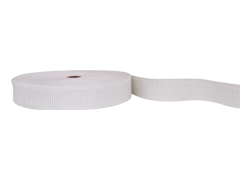
South Eastern Gaskets supplies Non-combustible Fibreglass Tape for pipe lagging and flange sealing across high-temperature Australian industries.
Effective heat management and fire safety are critical across Australian industrial environments, where high-temperature equipment poses ongoing operational risks. Without proper insulation and sealing, businesses can experience energy loss, equipment damage, and increased fire hazards. South Eastern Gaskets supplies non-combustible fibreglass tape designed for reliable pipe lagging and flange sealing in demanding applications.
Why Non-Combustible Fibreglass Tape Is Essential for Industrial Safety
Industrial facilities must meet strict safety standards, especially where heat and pressure are present. Non-combustible fibreglass tape resists ignition and does not support flame spread, making it suitable for boiler rooms, exhaust systems, and process piping. It also maintains strength and flexibility under high temperatures, ensuring long-term reliability in demanding environments.
Key advantages include:
- High temperature resistance suitable for steam lines and hot process pipes
- Non-combustible properties that support safer work environments
- Durable woven construction for extended service life
- Flexibility for wrapping around valves, bends, and irregular surfaces
- Resistance to moisture and many industrial operating conditions
By reducing the risk of fire propagation and protecting adjacent equipment from heat exposure, fibreglass tape plays a practical role in maintaining compliance and protecting personnel. For Australian industries, selecting the right insulation material is a critical safety decision.
Pipe Lagging: Improving Energy Efficiency & Equipment Protection
Pipe lagging is a key application for fibreglass tape in steam and hot water systems. Without proper insulation, pipes lose heat, increasing energy costs and placing extra strain on equipment. Using fibreglass tape helps retain heat, improve efficiency, and support consistent performance across industrial and commercial operations.
In addition to energy savings, effective lagging protects equipment and workers. Lower external surface temperatures reduce the risk of accidental burns, while proper insulation can help manage condensation in certain systems. By minimising thermal stress and exposure, fibreglass tape supports longer equipment life and improved overall system performance.
Flange Sealing Solutions for High-Temperature Environments
Flanges are vital connection points in piping systems and are often exposed to high heat and pressure. Proper insulation helps maintain sealing integrity and protect nearby components. Fibreglass ladder-style tape allows bolt access while providing consistent thermal coverage, helping reduce heat loss in high-temperature systems.
When used alongside appropriate gasket materials, fibreglass tape enhances the overall sealing system. It helps shield gasketed joints from excessive heat exposure and supports consistent performance in demanding industrial conditions. For facilities seeking dependable sealing solutions, fibreglass tape provides both practicality and durability.
Finding the Right Fibreglass Tape for High-Temperature Use
Selecting the right fibreglass tape depends on operating temperature, pipe size, and installation requirements, with width, thickness, and weave tailored to the application. Plain tapes are ideal for general lagging, while ladder-style options suit flanges that require bolt access and secure fastening. By working with an experienced Australian supplier like South Eastern Gaskets, you can ensure improved safety, efficiency, and long-term performance.
South Eastern Gaskets: Reliable Non-Combustible Fibreglass Tape Solutions
South Eastern Gaskets is a reliable Australian supplier of non-combustible fibreglass tape for pipe lagging and flange sealing applications. Our products are engineered to perform in high-temperature environments while supporting workplace safety and energy efficiency. We work closely with businesses to ensure they receive the right solution for their specific operational requirements.
Contact us to discuss your needs and place your order with confidence.
Related Blog Articles:
Buy Fibreglass Tapes from South Eastern Gaskets: The Smart Solution for Efficient Pipe Lagging
Expanded PTFE (Sealon) Tape: Superior Performance in High-Temperature Environments