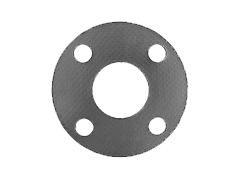
Reduce costly downtime with South Eastern Gaskets. Discover durable, abrasion-resistant sealing solutions designed for reliable, long-lasting performance.
In industrial operations, unplanned downtime can cause major losses, including disrupted production schedules, costly repairs, and safety risks. Every minute of halted operations results in lost productivity and increased maintenance expenses. Implementing abrasion-resistant sealing solutions helps extend equipment life, enhance reliability, and maintain smooth, continuous operations.
Why Unplanned Downtime Often Starts at the Seal
Seals and gaskets play a crucial role in maintaining the integrity of machinery and systems by preventing leaks, contamination, and pressure loss. However, they are also among the most vulnerable components in heavy-duty applications. Continuous exposure to abrasive materials, fluctuating pressures, and temperature extremes often leads to seal degradation.
When seals fail, the consequences can be immediate, ranging from fluid leaks and pressure drops to complete equipment shutdowns. Over time, even minor seal damage can escalate into major mechanical failures, resulting in unplanned downtime and expensive repairs. By prioritising high-quality sealing systems engineered for abrasion resistance, industries can mitigate these risks, reduce maintenance frequency, and optimise performance.
What are Abrasion-Resistant Sealing Solutions?
Abrasion-resistant sealing solutions are engineered seals and gaskets specifically designed to withstand harsh environments where friction, particulate matter, and mechanical wear are common. They utilise durable materials such as reinforced rubber, PTFE (Teflon), graphite composites, or metal alloys to resist erosion caused by abrasive substances or repeated motion.
How They Work
The effectiveness of these sealing systems lies in their construction and material composition. By incorporating abrasion-resistant materials and precise manufacturing techniques, they maintain a tight seal even under extreme operational stress. This durability reduces the rate of material wear, ensuring seals retain their structural integrity and prevent fluid or gas leaks over prolonged periods.
Advanced sealing technologies also feature optimised surface finishes and edge geometries that minimise friction, further enhancing operational efficiency. Whether used in high-pressure pipelines, industrial pumps, or rotating equipment, these solutions offer consistent performance and a longer service life, which directly translates to reduced downtime and maintenance costs.
When to Opt for Abrasion-Resistant Sealing Solutions in Your Operations
Industries operating under tough conditions should assess whether their current sealing systems can handle prolonged exposure to abrasive materials. Upgrading to abrasion-resistant options can be a strategic investment for facilities aiming to improve operational efficiency and reliability.
Provide guidance/best-practice scenarios when these solutions are most beneficial:
- High-velocity fluid services (slurry, sand-laden fluids)
- Machinery with oscillatory motion (pistons, valves, flaps)
- Flanged connections are subject to frequent maintenance/removal
- Harsh chemical or particulate environments
Selecting the correct sealing materials and designs for these conditions ensures longer operational cycles and fewer breakdowns. Partnering with a trusted supplier that understands specific industrial needs can further enhance the effectiveness of these solutions.
Let South Eastern Gaskets Help You Build a More Reliable Operation
Reducing unplanned downtime starts with choosing the right sealing technology. South Eastern Gaskets delivers precision-engineered abrasion-resistant sealing solutions designed for diverse industrial applications, ensuring durability and efficiency. Through expert material selection and advanced manufacturing, we produce high-performance seals that meet stringent quality standards, reduce maintenance costs, and enhance operational safety.
If your operation is facing challenges with seal wear or frequent equipment shutdowns, now is the time to make a proactive change. Contact us to keep your systems running efficiently and your downtime to a minimum.
Related Blog Articles:
Rubber Gaskets for Every Industry: One Supplier, Endless Options
The Advantages of Ordering Industrial Gaskets Direct from a Local Australian Manufacturer