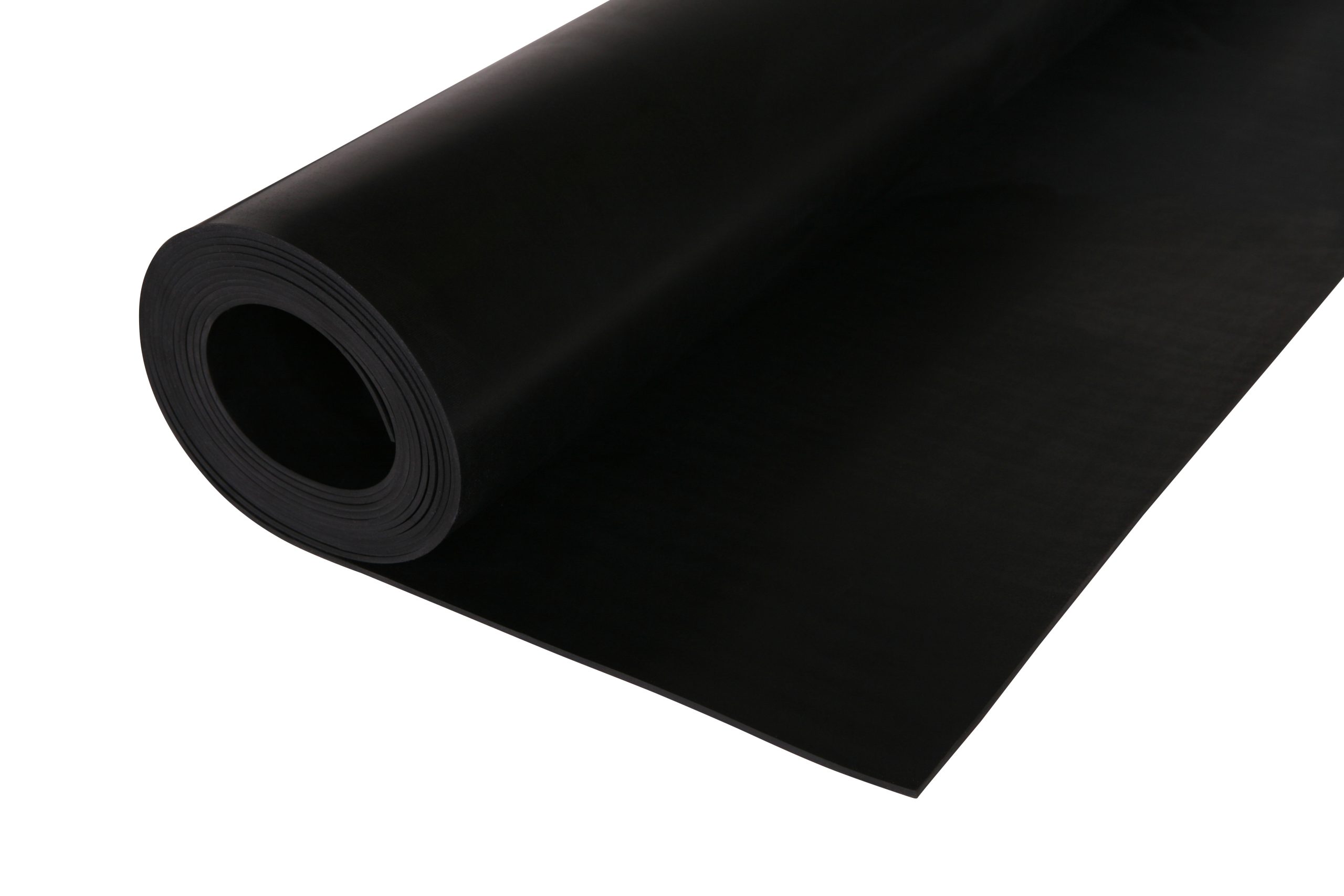
South Eastern Gaskets explains FDA-compliant gaskets for food processing, comparing EPDM vs nitrile (NBR) to help you choose the right material.
In Australian food processing, seals are critical to hygiene, leak prevention, and product integrity, and while many sites specify FDA-compliant gaskets as a material benchmark, plants still need to meet the Australia New Zealand Food Standards Code requirements for cleanable, non-contaminating food-contact surfaces. Gasket selection should match real operating conditions such as heat, steam, cleaning chemicals, oils, fats, and repeated compression. EPDM and nitrile (NBR) are two common food-grade elastomers, and choosing the right one can reduce downtime, extend seal life, and support audit-ready hygiene outcomes.
For a broader overview of compliance and material suitability, see our guide to food-grade gaskets and complying with food safety standards.
FDA-Compliant Gaskets in Practice: EPDM vs Nitrile (NBR) Basics
In day-to-day food plant procurement, “FDA compliant” is often used to indicate a rubber compound formulated and tested to meet a widely accepted food-contact benchmark. It is not a substitute for fit-for-purpose selection. You still need to match the gasket to your media, temperature, cleaning regime, and mechanical design.
Here is a practical comparison to guide selection:
| Factor | EPDM (Food Grade) | Nitrile / NBR (Food Grade) |
| Best with | Hot water, steam, and many water-based cleaning environments | Oils, animal fats, vegetable oils, and greasy products come into contact |
| Typical food-plant use | Beverage, dairy, CIP loops, washdown zones | Meat processing, oil handling, fatty food lines |
| Key strength | Heat and water resistance, good performance in washdown conditions | Strong resistance to oils and fats, good for greasy service |
| Common limitation | Not ideal where oils and greases are dominant | Often less suitable for frequent steam or very hot water exposure |
| What to verify | CIP chemical concentration and temperature, compression set | Steam exposure, temperature peaks, and chemical compatibility |
Where EPDM Wins in Food Plants (Best-Fit Applications)
EPDM is a strong choice for gaskets exposed to hot water, steam, and frequent washdowns. When correctly specified, it holds its seal through thermal cycling and repeated cleaning.
EPDM is commonly a strong fit for:
- CIP circuits and washdown areas where hot water is frequent
- Beverage and dairy processing zones with water-based media
- Applications with regular steam or elevated temperatures (compound dependent)
- External or open plant areas where weathering and ozone resistance matter
Where Nitrile (NBR) Wins (And Where It Can Struggle)
Nitrile, also known as NBR, is a common choice when oils and fats are part of normal operation. In food processing, this can include edible oils, oily residues, fatty product lines, and environments where grease exposure is hard to avoid. Where EPDM may swell or soften in oily service, nitrile compounds are typically selected to maintain dimensional stability and sealing performance.
NBR is often well-suited to:
- Meat, poultry, and seafood processing, where animal fats are present
- Edible oil transfer, storage, and handling lines
- Areas with oily product contact or persistent grease residues
- Equipment interfaces where lubricants or oil mist may contact seals
Where NBR can struggle:
- Frequent steam exposure or repeated high-temperature hot water cycles
- Aggressive cleaning programs at elevated temperatures
- Processes with rapid thermal cycling that increase compression set risk
Choose South Eastern Gaskets for FDA-Compliant Gaskets
At South Eastern Gaskets, we help Australian food processors specify FDA-compliant gaskets that match real plant conditions, not just a line item on a purchase order. The right material selection reduces unplanned shutdowns, improves hygiene outcomes, and supports confident maintenance planning.
Contact us to request a quote or speak with our team about your application.
Related Blog Articles:
Australian Food-Grade Gaskets Complying with Food Safety Standards [2026 Guide]
Sealing Rubber Gaskets: Choose the Right Seal for Water, Oil, or Chemical Resistance