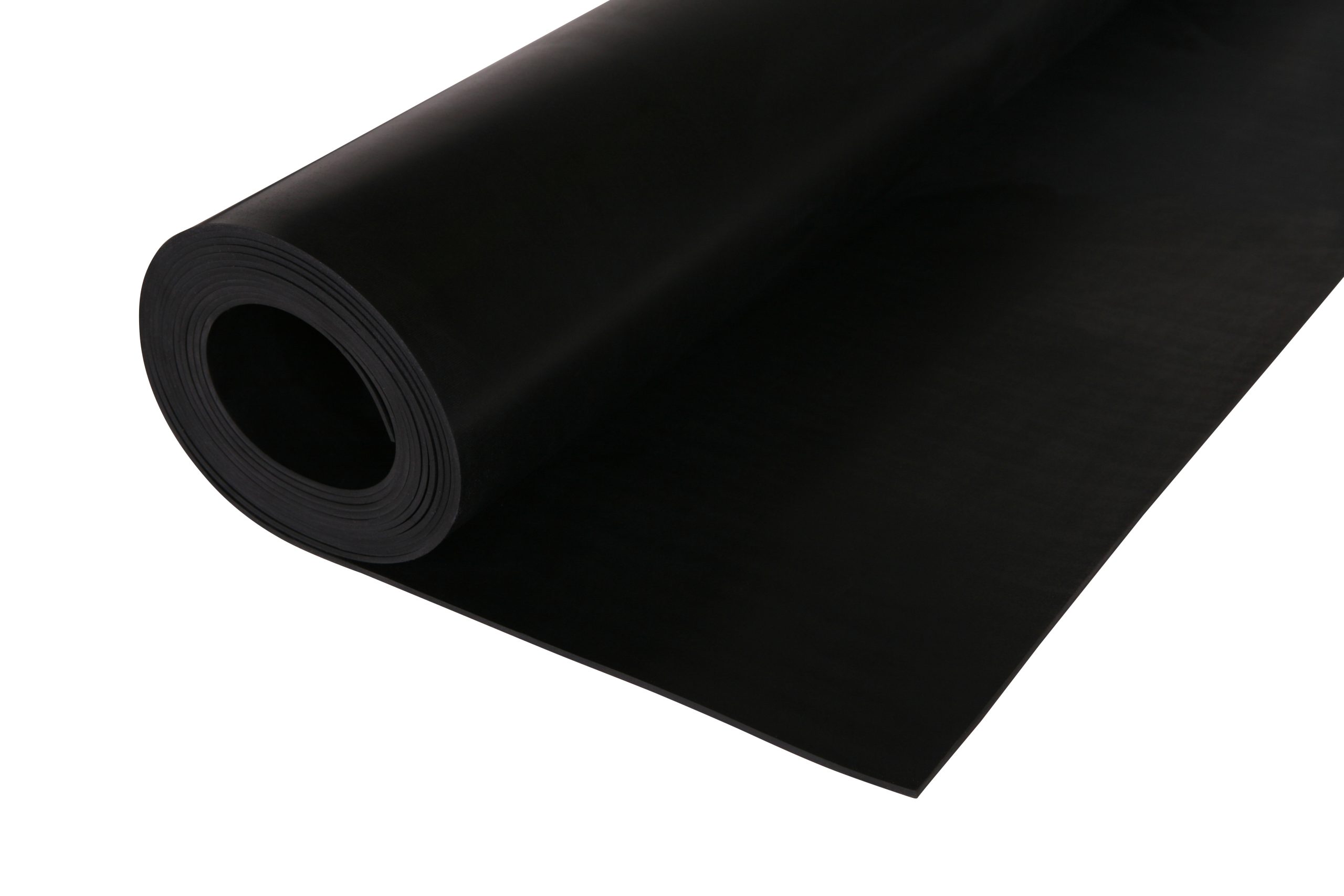
Specifying Gaskets for Water Systems: Why Potable Water EPDM Is Widely Used

South Eastern Gaskets supplies potable water EPDM gaskets for water systems across Victoria and South Australia, supporting reliable sealing applications.

In water systems, gaskets are not just small sealing parts; they help protect pipework, fittings, and equipment from leaks during daily operation. A gasket may be exposed to drinking water, pressure changes, outdoor weather, treatment chemicals, and long service periods, so the material must be chosen carefully. For many potable water applications, EPDM is widely used because it offers reliable sealing performance while meeting drinking-water contact requirements.

Why is EPDM Commonly Specified for Water System Gaskets?

EPDM is commonly used for water system gaskets because it performs well in wet and outdoor conditions. It helps maintain a reliable seal in pipework, tanks, valves, pumps, and flanged connections. Its flexibility and durability make it suitable for long-term use in water systems, especially where standard rubber materials may not meet the requirements of rubber gasket applications.

  • Strong water resistance: It suits gaskets in regular or continuous water contact.
  • Good outdoor durability: It resists UV, ozone, and changing weather conditions.
  • Useful temperature performance: It performs across a broad working temperature range.
  • Suitable for mild chemicals: It can suit mild acids, alkalis, and treatment residues when the grade is matched correctly.
  • Not suitable for every fluid: It should not be used with oils, fuels, or petroleum-based fluids.

How Potable Water EPDM Fits Australian Water Applications

In Australia, gasket materials used in contact with drinking water should be selected with potable water requirements in mind. Potable water EPDM is designed for applications where the gasket may touch drinking water, including flanged pipe joints, valves, fittings, and related water infrastructure.

This matters because water system specifications may treat joint seals, flange gaskets, and O-rings as wetted components. Standard EPDM may not be suitable for potable water contact, so specifiers should confirm that the material grade is appropriate for drinking-water applications and relevant Australian project requirements.

Key Checks Before Specifying an EPDM Gasket

Choosing an EPDM gasket involves more than checking the material name. The gasket must suit the water system, operating conditions and project requirements. Specifiers should confirm the correct grade, size and compatibility before ordering.

  • Potable water contact: Check if the gasket will touch drinking water.
  • Australian requirements: Confirm AS/NZS 4020 or water authority requirements.
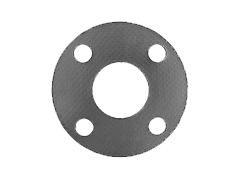
  • Flange and gasket type: Choose full-face, ring or custom-cut format.
  • Pressure and temperature: Match the gasket to system conditions.
  • Chemical exposure: Check for disinfectants, cleaners, acids or alkalis.
  • Outdoor conditions: Consider UV, ozone and weather exposure.
  • Fluid compatibility: Avoid EPDM with oils, fuels or petroleum products.
  • Custom sizing: Confirm dimensions, bolt holes and flange standards.

Get Potable Water EPDM Gasket Support From South Eastern Gaskets

South Eastern Gaskets supplies gasket solutions for water system applications where material selection, fit and long-term performance matter. For potable water EPDM requirements, we can assist with suitable gasket materials, custom profiles and practical advice for Australian projects. By choosing the right EPDM grade from the start, specifiers and maintenance teams can reduce sealing risks and improve system reliability.

Contact us for custom gasket support for your next water system project.
Steam Gasket Failures Caused by Incorrect Material Selection

South Eastern Gaskets explains steam gasket failures in Australia, covering material selection risks, boiler leaks, and high-temperature sealing issues.

Steam gasket failures can create serious problems for businesses that rely on boilers, steam lines, valves, and related equipment. In many cases, the issue is not only wear and tear, but a gasket material that was never suitable for the real operating conditions. Choosing the correct material helps reduce leaks, pressure loss, downtime, and repeated replacement costs.

Why Do Steam Gasket Failures Happen When the Wrong Material Is Used?

Steam systems place constant stress on gaskets because they involve heat, pressure, moisture, and regular temperature changes. If the gasket material cannot handle these conditions, it may lose its sealing ability much earlier than expected. Boiler systems also need regular maintenance and inspection to reduce safety and reliability risks, as outlined by WorkSafe Victoria.

Common reasons include:

  • Temperature limits are exceeded: Heat can cause unsuitable gaskets to harden, crack, or fail.
  • Pressure is not properly considered: The wrong gasket may compress too much or lose sealing strength.
  • Condensate affects the material: Moisture and treatment chemicals can weaken unsuitable gasket materials.
  • Thermal cycling causes movement: Start-up and shutdown cycles can reduce sealing pressure.
  • The gasket loses compression: Material relaxation can create small leaks around joints or fittings.
  • The wrong product is used for the sealing point: Gauge glass, valve, flange, handhole, and manhole applications may each need different gasket solutions.

Common Material Selection Mistakes in Steam and Boiler Applications

Many steam gasket failures happen because the replacement gasket is chosen too quickly. A gasket may look correct by size, but still fail if the material, thickness, or application suitability is wrong. Using the right gasket material selection tool can help businesses compare material options before replacing the same failed part again.

Common mistakes include:

  • Choosing by price instead of performance: A cheaper gasket can cost more if it leads to repeated leaks, labour, and shutdowns.
  • Using general-purpose materials: Not every rubber, fibre, or sheet material is suitable for steam and higher temperatures.
  • Ignoring both temperature and pressure: A gasket should be assessed against the full operating environment, not one factor alone.
  • Reusing the same failed material: Replacing a failed gasket with the same product may repeat the problem if the original selection was wrong.
  • Overlooking flange condition: Damaged, uneven, or poorly aligned surfaces can prevent even a suitable gasket from sealing correctly.
  • Assuming one product fits all boiler needs: Steam and boiler systems may require specific products such as graphite rings, valve stem seals, gauge glass components, handhole gaskets, manhole gaskets, or rubber cones.

When Should You Contact SE Gaskets for the Correct Steam Gasket Solution? 

You should contact our team at SE Gaskets when a steam gasket keeps leaking, fails earlier than expected, or needs to be replaced in a boiler or higher-temperature application. Getting the material right before installation can help reduce avoidable shutdowns, repeat maintenance, and sealing issues caused by poor product selection.

We supply boiler and steam-related sealing products, including Rubber Cones in ½” and ¾”. These are moulded in-house in EPDM elastomer for steam and higher temperatures, making them suitable for specific gauge glass and boiler-related applications where the correct material matters.

Reduce Steam Gasket Failures with South Eastern Gaskets

Steam gasket failures should not be treated as a normal part of maintenance when the same issue keeps returning. The right gasket solution depends on the operating temperature, pressure, sealing point, material compatibility, and condition of the equipment. South Eastern Gaskets can help businesses choose suitable sealing products for steam, boiler, and higher-temperature applications.

Contact us for the correct gasket solution for your steam or boiler application.

Related Blog Articles:

Corr-A-Seal Gaskets for Steam, Water, and Low-Temperature Applications
Spiral Wound Gaskets: The Most Reliable Fix for Flange Leakage in High-Pressure Systems