Steam Gasket Failures Caused by Incorrect Material Selection

South Eastern Gaskets explains steam gasket failures in Australia, covering material selection risks, boiler leaks, and high-temperature sealing issues.

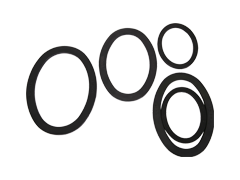
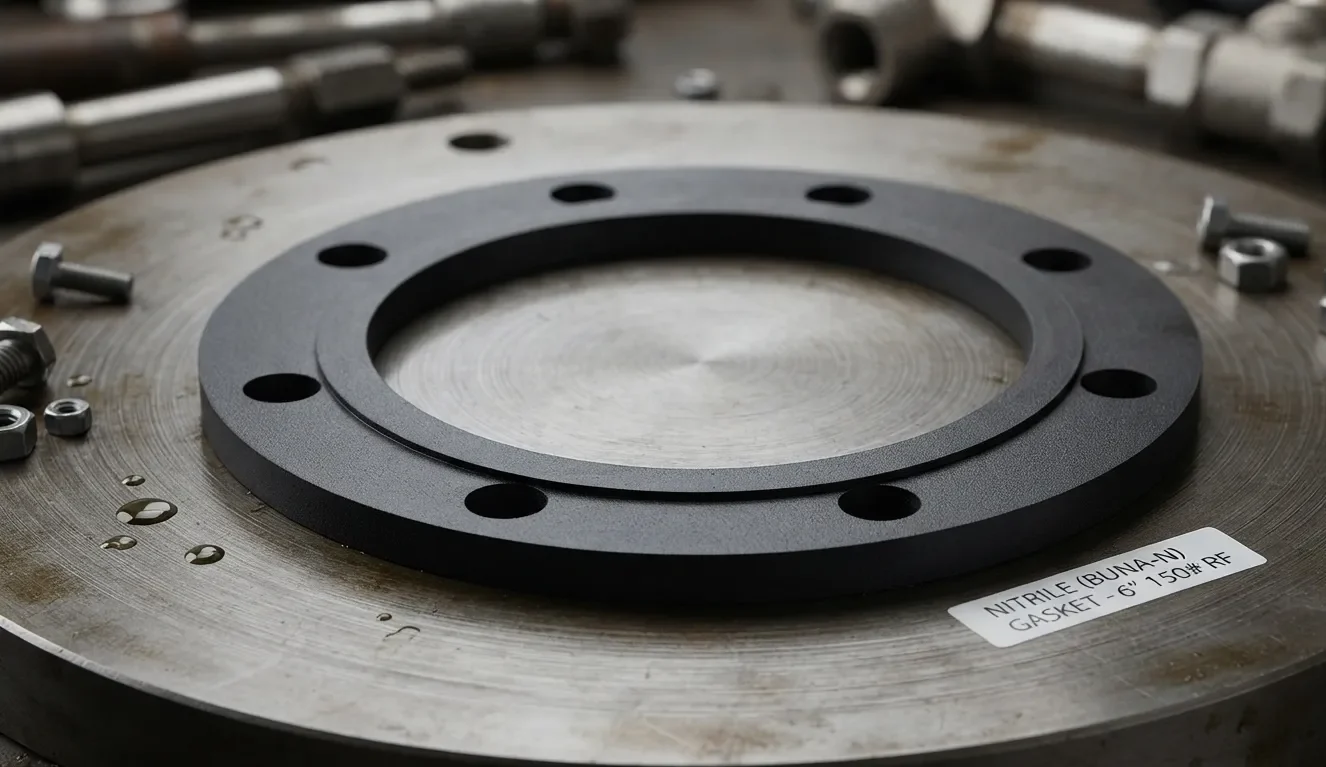
Steam gasket failures can create serious problems for businesses that rely on boilers, steam lines, valves, and related equipment. In many cases, the issue is not only wear and tear, but a gasket material that was never suitable for the real operating conditions. Choosing the correct material helps reduce leaks, pressure loss, downtime, and repeated replacement costs.

Why Do Steam Gasket Failures Happen When the Wrong Material Is Used?

Steam systems place constant stress on gaskets because they involve heat, pressure, moisture, and regular temperature changes. If the gasket material cannot handle these conditions, it may lose its sealing ability much earlier than expected. Boiler systems also need regular maintenance and inspection to reduce safety and reliability risks, as outlined by WorkSafe Victoria.

Common reasons include:

  • Temperature limits are exceeded: Heat can cause unsuitable gaskets to harden, crack, or fail.
  • Pressure is not properly considered: The wrong gasket may compress too much or lose sealing strength.
  • Condensate affects the material: Moisture and treatment chemicals can weaken unsuitable gasket materials.
  • Thermal cycling causes movement: Start-up and shutdown cycles can reduce sealing pressure.
  • The gasket loses compression: Material relaxation can create small leaks around joints or fittings.
  • The wrong product is used for the sealing point: Gauge glass, valve, flange, handhole, and manhole applications may each need different gasket solutions.

Common Material Selection Mistakes in Steam and Boiler Applications

Many steam gasket failures happen because the replacement gasket is chosen too quickly. A gasket may look correct by size, but still fail if the material, thickness, or application suitability is wrong. Using the right gasket material selection tool can help businesses compare material options before replacing the same failed part again.

Common mistakes include:

  • Choosing by price instead of performance: A cheaper gasket can cost more if it leads to repeated leaks, labour, and shutdowns.
  • Using general-purpose materials: Not every rubber, fibre, or sheet material is suitable for steam and higher temperatures.
  • Ignoring both temperature and pressure: A gasket should be assessed against the full operating environment, not one factor alone.
  • Reusing the same failed material: Replacing a failed gasket with the same product may repeat the problem if the original selection was wrong.
  • Overlooking flange condition: Damaged, uneven, or poorly aligned surfaces can prevent even a suitable gasket from sealing correctly.
  • Assuming one product fits all boiler needs: Steam and boiler systems may require specific products such as graphite rings, valve stem seals, gauge glass components, handhole gaskets, manhole gaskets, or rubber cones.

When Should You Contact SE Gaskets for the Correct Steam Gasket Solution? 

You should contact our team at SE Gaskets when a steam gasket keeps leaking, fails earlier than expected, or needs to be replaced in a boiler or higher-temperature application. Getting the material right before installation can help reduce avoidable shutdowns, repeat maintenance, and sealing issues caused by poor product selection.

We supply boiler and steam-related sealing products, including Rubber Cones in ½” and ¾”. These are moulded in-house in EPDM elastomer for steam and higher temperatures, making them suitable for specific gauge glass and boiler-related applications where the correct material matters.

Reduce Steam Gasket Failures with South Eastern Gaskets

Steam gasket failures should not be treated as a normal part of maintenance when the same issue keeps returning. The right gasket solution depends on the operating temperature, pressure, sealing point, material compatibility, and condition of the equipment. South Eastern Gaskets can help businesses choose suitable sealing products for steam, boiler, and higher-temperature applications.

Contact us for the correct gasket solution for your steam or boiler application.

Related Blog Articles:

Corr-A-Seal Gaskets for Steam, Water, and Low-Temperature Applications
Spiral Wound Gaskets: The Most Reliable Fix for Flange Leakage in High-Pressure Systems

PTFE Gaskets in Australia: Custom CNC Sealing for Chemical & Food Processing

South Eastern Gaskets provides custom CNC-cut PTFE gaskets across Australia. Ensure compliance and avoid downtime with our food and chemical-grade seals.

For industrial processing plants across Australia, unexpected downtime and product contamination pose the costliest risks to daily operations and profitability. Maintaining structural integrity at critical pipeline joints requires highly reliable sealing components that can withstand aggressive cleaning agents and harsh chemical compounds. Investing in premium PTFE gaskets fabricated through digital cutting systems ensures long-term reliability and precise containment for high-stakes processing environments.

Why Do Australian Processing Lines Demand Custom CNC Sealing?

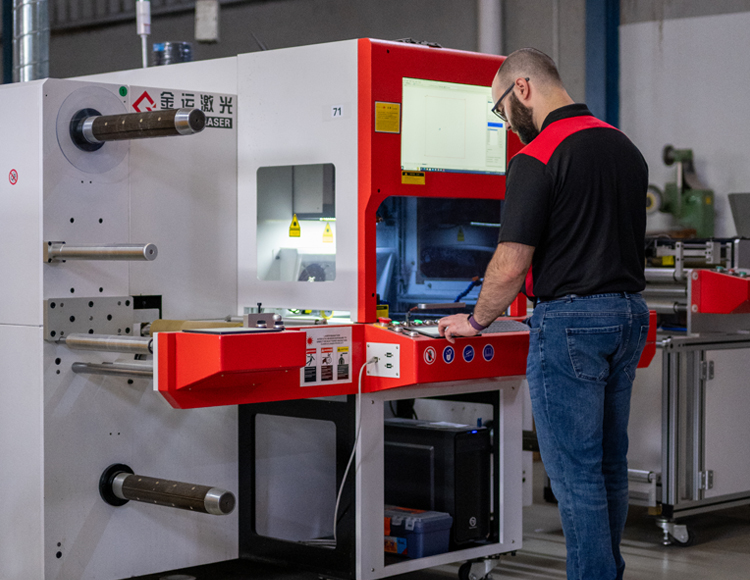
Modern industrial production schedules require rapid component turnaround to minimise operational bottlenecks and keep supply chains moving. While traditional die-cutting struggles to meet these urgent demands due to the delays of manufacturing physical steel tools, custom CNC cutting bypasses these limitations entirely. This digital method allows facilities to translate CAD designs directly into finished components within a matter of hours, streamlining custom gasket manufacturing across the region.

This digital knife-cutting approach achieves exceptionally tight dimensional tolerances, providing clean, burr-free edges. Consequently, manufacturing plants receive custom components that distribute seating stress uniformly across the entire seal. This precision effectively prevents leaks, even within irregular, warped, or low-torque flange systems.

Achieving AS 2070 and WHS Compliance with Precision PTFE Gaskets

Meeting the rigid regulatory requirements is critical when managing Australian processing facilities under the AS 2070-1999 standard. For these high-purity sanitary applications, Virgin PTFE (Teflon) serves as an excellent baseline CNC-cut choice that prevents contamination and chemical leaching. Our precision knife-cutting machinery ensures a completely smooth finish that meets FDA standards and withstands aggressive Clean-in-Place cycles.

To protect workers and comply with Safe Work Australia regulations in hazardous chemical environments, selecting advanced sealing options from the range is essential. Expanded PTFE (Sealon) provides a highly compressible structure ideal for fragile glass-lined piping, while the silica-filled SC1400 Pink Seal eliminates cold flow in concentrated acid lines. Finally, the SC1600 Blue Seal incorporates glass microspheres designed specifically to handle high-stress caustic and alkaline pipelines.

The CNC Advantage: Maximising Yield and Minimising Material Waste

Advanced CNC cutting software utilises precise nesting algorithms to efficiently arrange component shapes across premium sheet stock, delivering substantial economic benefits to plant managers. This automated process maximises material yield and significantly reduces costly scrap waste, making specialised fluoropolymers far more economical for heavy industrial use. Consequently, processing facilities can easily obtain low-volume or bespoke runs without incurring the financial penalties associated with traditional tooling setup fees.

  • Optimised Sheet Nesting: Computer algorithms arrange profiles to extract maximum value from every square metre of high-grade stock.
  • Rapid Engineering Adjustments: Changes to internal dimensions or bolt hole alignments are updated instantly in the digital CAD file.
  • Uniform Quality Control: Automated mechanical cutting delivers absolute structural consistency from the first component to the final batch item.

Locally Manufactured PTFE Gaskets from South Eastern Gaskets

Selecting the appropriate industrial seal, from high-purity Virgin Teflon for food manufacturing to filled structural composites for chemical lines, is essential to prevent volatile leaks and regulatory non-compliance. By investing in custom profiles that match specific operational stresses, South Eastern Gaskets safeguards both workplace safety and daily commercial output. Our local production facility is fully equipped to support your ongoing maintenance and manufacturing schedules with high-speed digital fabrication and expert material advice.

Contact us to receive a transparent commercial quotation for your specific engineering blueprints and prevent unexpected pipeline failures by partnering with an established domestic supplier.

Related Blog Articles:

The Advantages of Ordering Industrial Gaskets Direct from a Local Australian Manufacturer
Expanded PTFE (Sealon) Tape: Superior Performance in High-Temperature Environments 

Corrugated Metal Gaskets: High-Pressure Flange Sealing Solutions

South Eastern Gaskets offers high-pressure corrugated metal gaskets for heat exchangers and industrial flanges, providing reliable seals for AU operations.

In high-vibration and high-pressure industrial environments, standard non-asbestos or basic spiral wound gaskets often fall short due to bolt relaxation and material creep. These failures can lead to costly downtime and safety risks in critical Australian infrastructure, especially within the power and chemical processing sectors. To address these challenges, many maintenance engineers are turning to corrugated metal gaskets as a more resilient and reliable sealing alternative for their most demanding flange applications.

The Engineering Edge of Corrugated Metal Gaskets (Corr-a-seal)

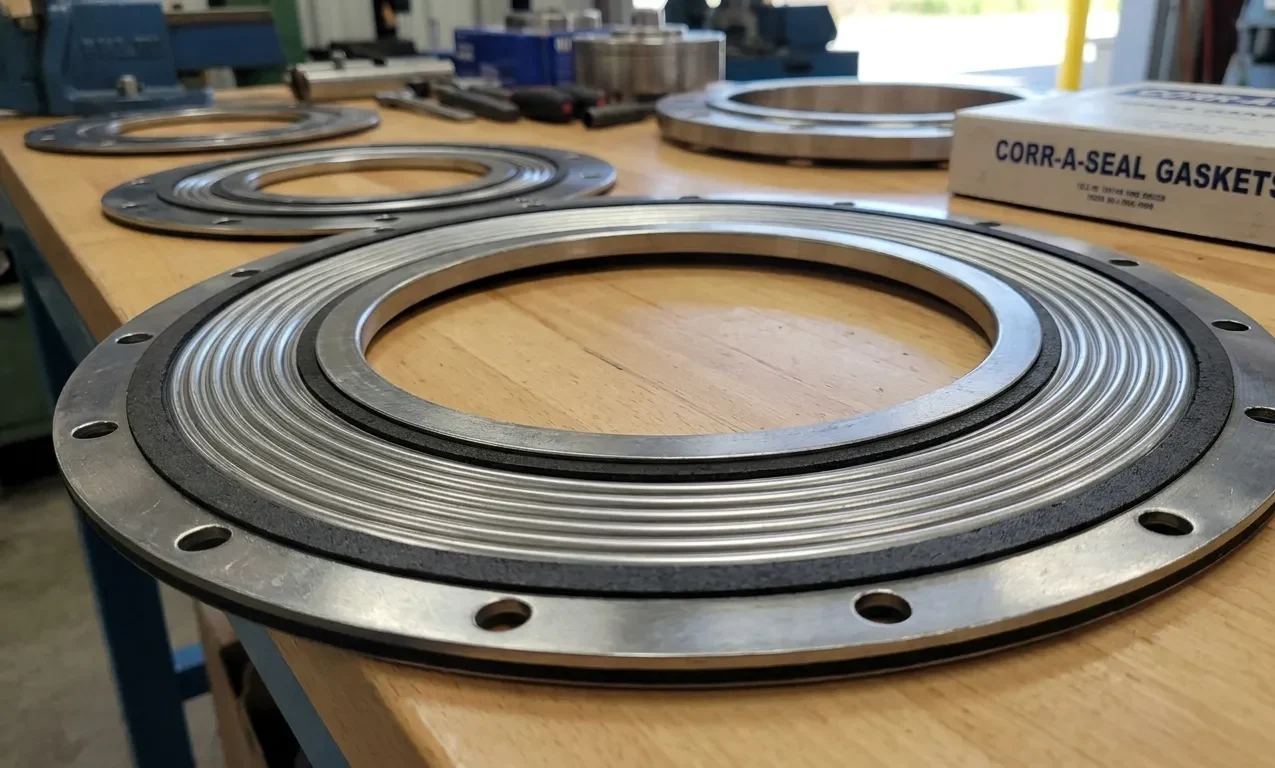
The Corr-a-seal range is a significant step forward in metallic sealing technology, engineered to perform reliably where traditional gaskets often fail. Its core consists of a precision-stamped stainless steel substrate with concentric corrugations that function like a high-performance spring. This design ensures the gasket stays in constant contact with flange faces, even during the thermal cycling typical of Victorian and South Australian refineries.

Laminating these corrugated metal gaskets with flexible graphite or PTFE creates a seal that is significantly tighter than conventional options at standard bolt loads. This prevents fugitive emissions caused by minor flange imperfections, helping facilities meet strict environmental compliance standards. By combining a rigid metal core with flexible facing materials, Corr-a-seal provides a durable solution for Australia’s toughest industrial environments.

Optimising Heat Exchangers: Why Corr-a-seal Outperforms

Sealing heat exchangers in the Australian mining and petrochemical sectors is challenging due to radial shear and thermal expansion. The low-profile Corr-a-seal outperforms rigid gaskets by providing the superior recovery and flexibility required for these sensitive applications. Its lower seating stress protects equipment integrity while maintaining a fail-safe barrier against high-pressure leaks.

Key benefits for heat exchanger applications include:

  • Enhanced recovery rates that compensate for flange movement and thermal shocks during startup and shutdown.
  • Reduced risk of flange damage due to lower required bolt torque compared to solid metallic rings.
  • Availability in custom shapes, including large diameters and complex pass-partition configurations to suit specific plant blueprints.
  • Full compatibility with a wide range of media when paired with the correct lamination material, like high-purity graphite.

Safety First: Fire-Safe Certification and Local Reliability

Safety is the foremost priority in high-pressure operations, particularly when managing hazardous or flammable substances. The Corr-a-seal range is fire-safe certified to API 607 and ISO 10497 standards, offering essential peace of mind to the oil, gas, and chemical sectors. These certifications ensure that gaskets maintain their integrity during external fire events to prevent the escalation of emergencies.

Choosing a local Australian manufacturer like South Eastern Gaskets provides a level of traceability and reliability that offshore suppliers cannot match. Our manufacturing hubs in Melbourne and Adelaide allow for rapid responses to emergency breakdowns and expert on-site technical support. This local accessibility ensures that Australian businesses receive precision-engineered solutions exactly when they are needed most.

Reliable Sealing with South Eastern Gaskets and Corrugated Metal Gaskets

Investing in the right sealing solution ensures your facility’s safety, which is why South Eastern Gaskets provides high-performance corrugated metal gaskets designed specifically for the Australian industrial landscape. Our team identifies the precise materials and profiles needed to eliminate leaks and cut down maintenance cycles in your most demanding high-pressure systems. Whether for a planned shutdown or an emergency in Melbourne or Adelaide, our local expertise ensures you get the exact parts you need right when you need them.

For expert advice or a custom quote on your next project, contact us today.

Related Blog Articles:

“Gaskets and Sealing Supplier Near Me” – Custom Solutions for Local Industries
Corr-a-seal Supply: Reducing Downtime in High-Pressure Applications

Gasket Manufacturer in Melbourne: Why Local Production Beats International Lead Times

South Eastern Gaskets is a reliable gasket manufacturer in Melbourne, offering fast local production, supply, and reduced lead times across the industry.

Sourcing industrial components from overseas can lead to long and unpredictable delays that disrupt operations and project timelines. Many Australian businesses are now turning to a gasket manufacturer in Melbourne to avoid the risks associated with international freight and extended supply chains. Local production offers a more reliable and responsive solution for companies that need consistent turnaround and dependable supply.

Faster Lead Times with a Gasket Manufacturer in Melbourne

Choosing a gasket manufacturer in Melbourne provides a clear advantage when speed matters. Unlike overseas suppliers that depend on shipping schedules, customs clearance, and multiple logistics stages, local manufacturers can produce and deliver much more quickly. Melbourne’s strong manufacturing sector and well-connected transport network support efficient production and fast distribution across Victoria and interstate.

Working with a local supplier also improves communication, allowing businesses to respond quickly to urgent requirements or last-minute changes. This is especially important for industries where delays can lead to operational downtime or missed deadlines. Key advantages include shorter lead times, faster response for custom orders, direct communication, and reduced reliance on international shipping.

For businesses that prioritise speed and efficiency, working with a local provider also aligns with best practices outlined in this guide on ordering industrial gaskets from a local manufacturer.

Local Production Means Greater Flexibility and Quality Control

Local manufacturing offers greater flexibility for custom gasket requirements and ongoing production needs. A gasket manufacturer in Melbourne can work closely with clients to refine designs, adjust specifications, and deliver tailored solutions without offshore delays. It also allows for better quality control, ensuring compliance with Australian standards and reducing risks associated with complex international supply chains.

Benefits of local production include:

  • Faster design modifications and prototyping
  • Improved quality assurance and compliance oversight
  • Greater transparency in materials and processes
  • Easier collaboration for custom or repeat orders

Reducing Downtime and Supply Risk with Australian-Made Gaskets

Unplanned downtime can be costly, especially when essential components like gaskets are not readily available. Partnering with a gasket manufacturer in Melbourne helps reduce supply risks by providing faster access to replacement parts and consistent availability for ongoing operations. While international sourcing can lead to shipping delays and fluctuating lead times, local manufacturing offers a more stable and reliable supply chain for Australian industries.

Key benefits include:

  • Faster replacement of critical components
  • More reliable and consistent supply
  • Reduced exposure to global freight disruptions
  • Better support for ongoing maintenance and operations

South Eastern Gaskets: Your Reliable Gasket Manufacturer in Melbourne

South Eastern Gaskets is a trusted gasket manufacturer in Melbourne, providing reliable and high-quality sealing solutions for Australian industries. We focus on precision, responsiveness, and strong customer service to support businesses that need fast turnaround and dependable supply. By choosing us, businesses benefit from local expertise, efficient production, and consistent product quality.

Work with a gasket manufacturer in Melbourne that understands your need for fast and dependable supply. Contact us to get the right solution for your application.

Related Blog Articles:

High-Temperature Graphite Gaskets for Industrial Flanges: Spec, Grades and Selection Guide

Metal Gasket Types: What Engineers, Fitters & Buyers Must Know

Specifying Vulcanised Rubber Seals: Ensuring Zero-Failure in High-Pressure Systems

South Eastern Gaskets supplies vulcanised rubber seals for high-pressure systems, engineered for durability, reliability, and demanding industrial use.

In industrial environments operating under high pressure, sealing components are essential for maintaining system integrity and preventing fluid leaks. Pumps, pipelines, hydraulic systems, and pressure vessels rely on dependable seals to ensure operational efficiency, safety, and reliable performance. To minimise the risk of downtime or equipment damage, engineers must carefully specify vulcanised rubber seals for high-pressure applications, ensuring the correct material, seal profile, and installation approach for long-term reliability.

Why Seal Specification Matters in High-Pressure Systems

High-pressure environments place significant stress on seals due to temperature changes, mechanical loads, chemical exposure, and pressure fluctuations. Correct seal specification ensures the elastomer material and design can maintain compression and sealing performance throughout the equipment’s service life.

Several factors highlight the importance of proper seal specification:

  • Operational safety: Reliable seals prevent leaks that could cause hazards or environmental contamination.
  • Equipment longevity: Correctly specified seals reduce wear on mechanical components and prevent pressure loss.
  • Reduced maintenance costs: High-quality seals minimise the need for frequent replacements or repairs.
  • System efficiency: Effective sealing ensures consistent pressure levels and optimal equipment performance.

Choosing the Right Vulcanised Rubber Seals for High-Pressure

Material selection is a critical factor when specifying seals for demanding industrial applications. Different elastomer compounds offer varying resistance to heat, chemicals, pressure, and environmental exposure, making it important to match the material to the operating conditions.

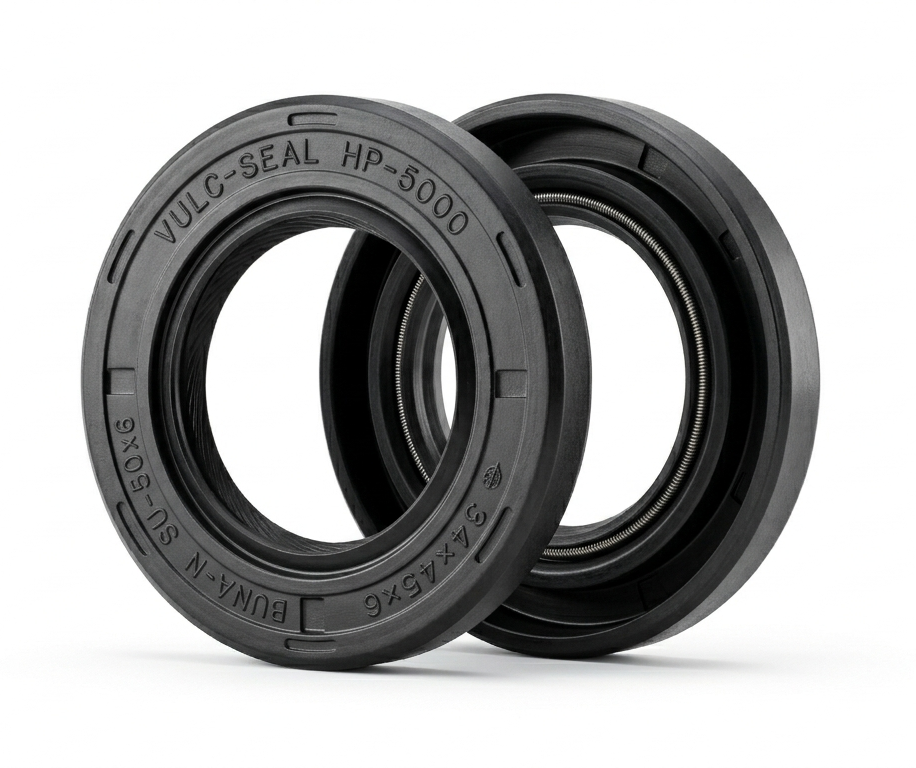
Vulcanised rubber is widely used due to its strength, elasticity, and durability after the vulcanisation process. When specifying vulcanised rubber seals for high pressure, engineers must consider factors such as temperature range, fluid compatibility, and compression set to ensure reliable sealing performance.

Key Design and Installation Factors That Prevent Seal Failure

Seal material alone does not guarantee reliable performance; correct seal design and installation are also essential in high-pressure systems. Proper compression, accurate gland design, and the use of backup rings help prevent leakage, extrusion, and premature seal failure.

Key design and installation considerations include:

  • Correct groove dimensions: Proper gland depth and width ensure consistent compression and sealing force.
  • Surface finish quality: Smooth contact surfaces improve sealing effectiveness and reduce wear.
  • Clearance control: Minimising clearances helps prevent seal extrusion under pressure.
  • Proper installation procedures: Careful handling, correct lubrication, and avoiding twisting during installation protect seal integrity.

Ensuring Long-Term Reliability with Quality Testing and Standards

Testing and compliance with recognised standards help ensure the reliability of industrial sealing components before installation. Standards such as AS 681.1 define material requirements for elastomeric seals and support consistent quality and dependable performance.

Manufacturers typically conduct several tests to verify seal performance under operating conditions. These may include:

  • Compression set testing to evaluate long-term elasticity
  • Tensile strength testing to confirm mechanical durability
  • Chemical resistance testing to assess compatibility with fluids and oils
  • Ageing and heat resistance testing to measure performance under thermal stress

Reliable Sealing Solutions from South Eastern Gaskets

Selecting the right vulcanised rubber seals for high-pressure applications requires careful consideration of materials, engineering design, and manufacturing quality. Industries operating in demanding environments need sealing solutions that provide consistent reliability, safety, and long-term performance. South Eastern Gaskets supplies high-quality elastomer sealing products across Australia and supports businesses in selecting the most suitable seals to reduce downtime and maintain efficient operations.

Contact us for expert advice on gasket and sealing solutions. Our team can help you choose the right materials and products for your specific application.

Related Blog Articles:

Sealing Rubber Gaskets: Choose the Right Seal for Water, Oil, or Chemical Resistance
EPDM vs Nitrile vs Viton: Rubber Material Selection for Oils, Water & Chemicals